Complete guide to Zambia
Zambia sits on a plateau averaging 1,200 metres high in the heart of southern Africa, crossed by the Zambezi River for nearly 2,700 kilometres. From our agency in Lusaka, we organise trips that combine Victoria Falls on the Livingstone side, safaris in South Luangwa National Park, the waters of Lake Kariba, and the remote landscapes of Lower Zambezi. The country is home to 73 ethnic groups and remains less visited than its neighbours, making it pristine terrain for those seeking intimate African bush.
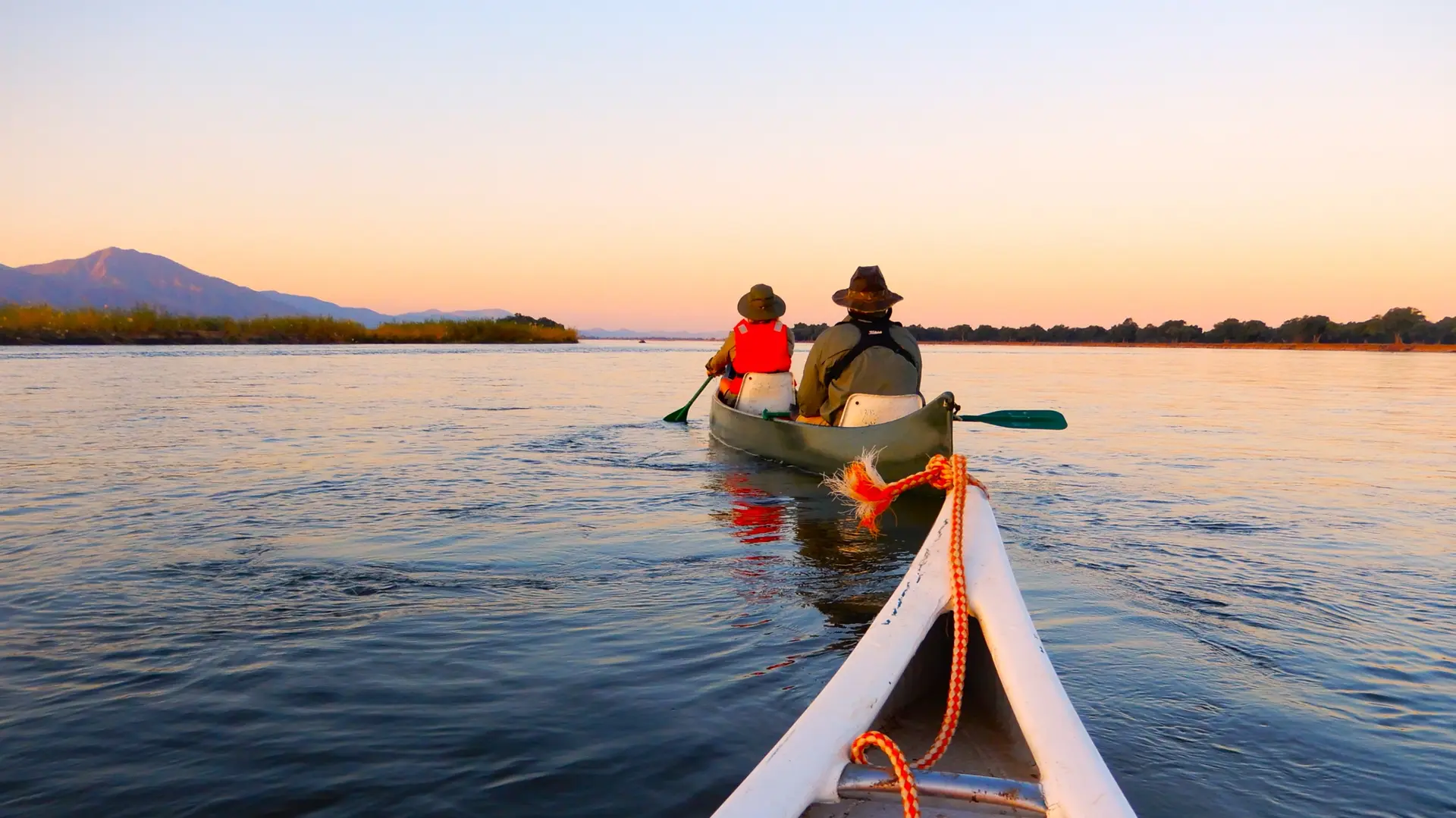
South Luangwa is the birthplace of walking safari, invented here in the 1950s by Norman Carr. The private concessions of Lower Zambezi allow you to encounter wildlife by canoe on the river, among hippopotamuses. Victoria Falls, shared with Zimbabwe, can be discovered from the Zambian side with a closer view during the rainy season, and the chance to swim in Devil's Pool between August and December when water levels permit.
For a first trip, allow 12 to 14 days combining Livingstone, South Luangwa, and Lower Zambezi. Travellers with three weeks can add Lake Kariba, Kafue, or the remote Liuwa Plain park to the west. Our team will guide you based on the season and your travel pace.
The regions of Zambia
Each region has its own personality: climate, landscapes, pace of life and ways of traveling. Our local team helps you choose the combination that suits you.
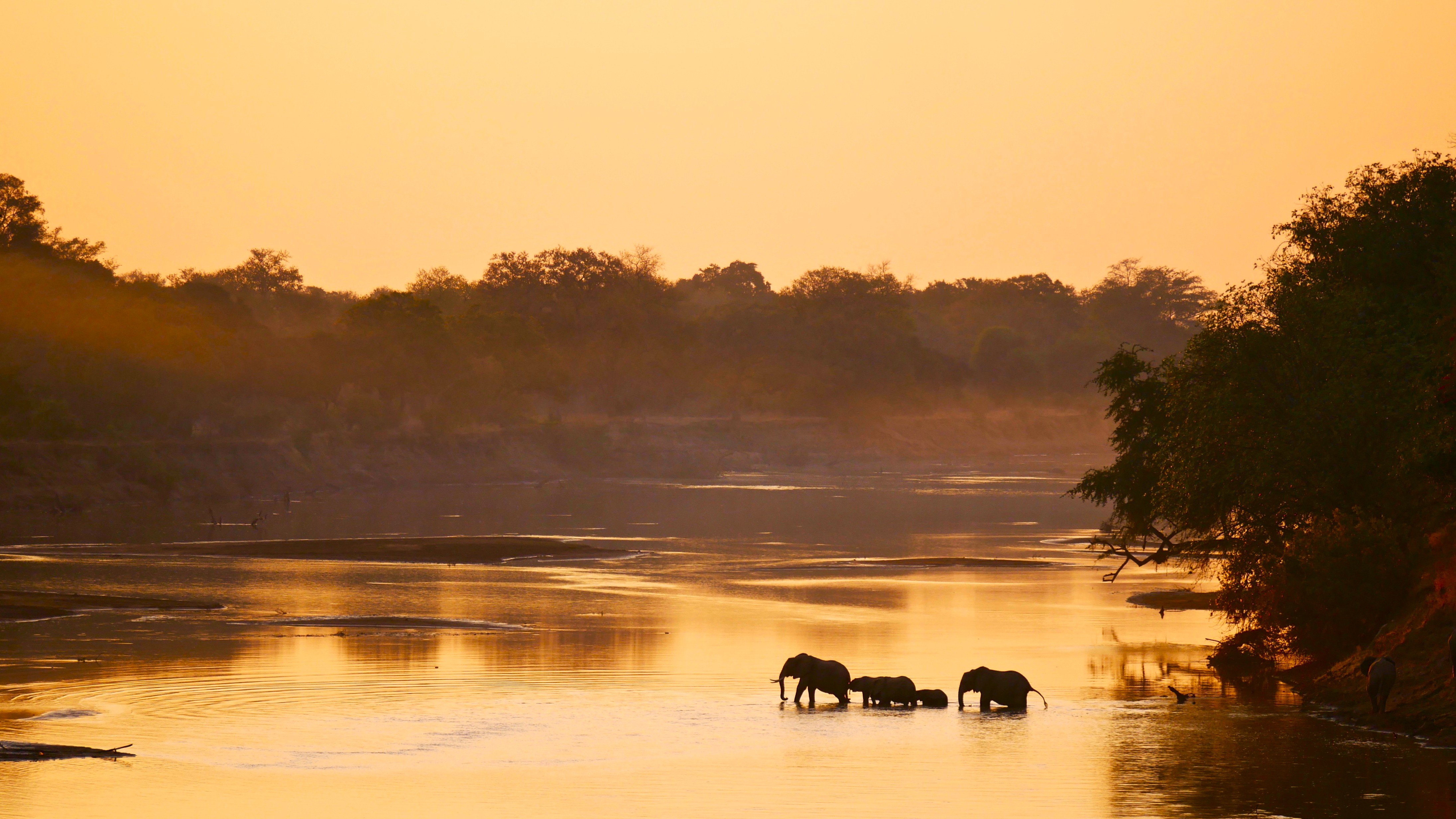
South Luangwa
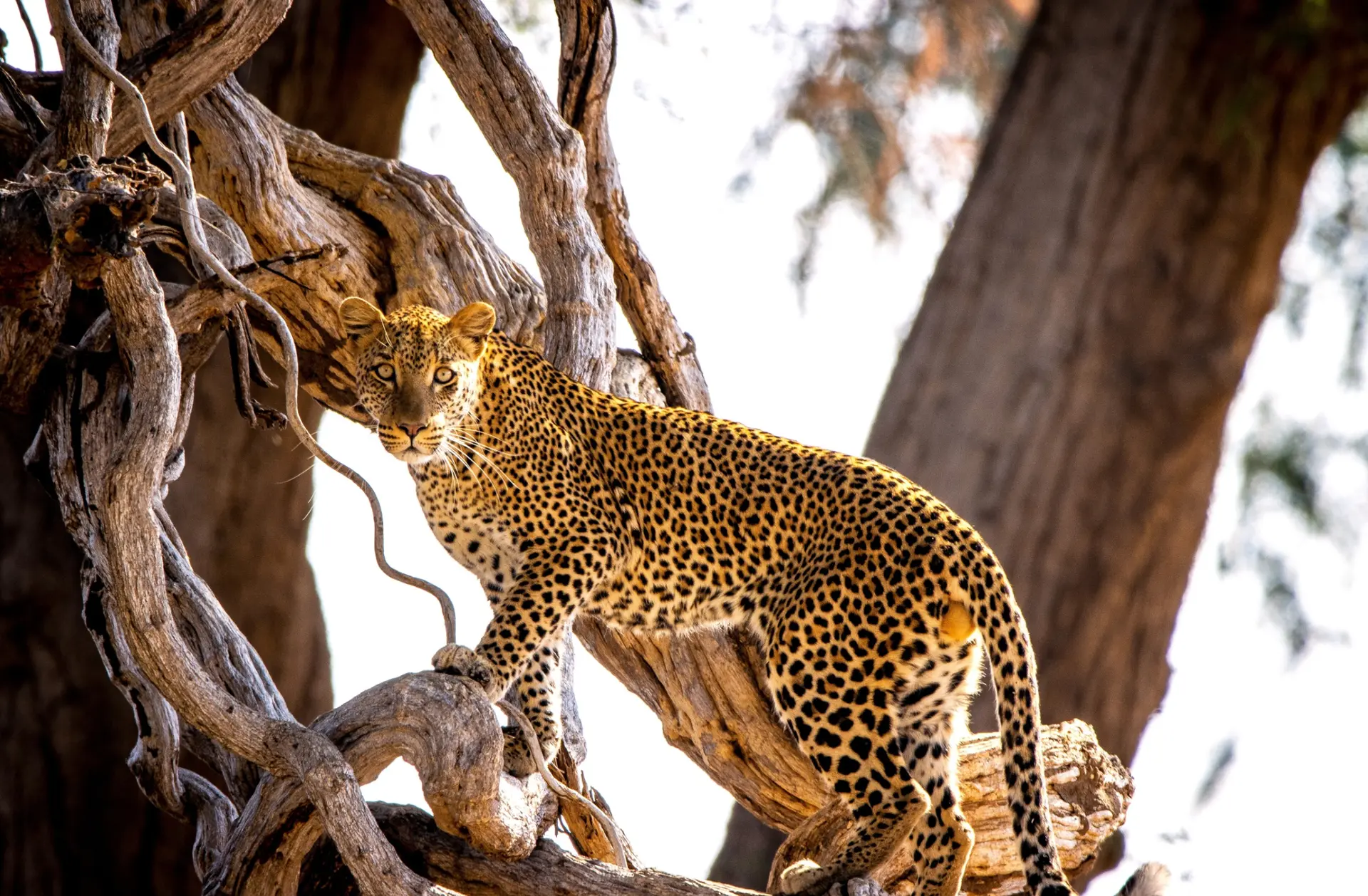
In the east of the country, the Luangwa Valley winds its way through meandering channels and seasonal lagoons along the river of the same name. The national park is the birthplace of the walking safari, practiced in small groups with an armed ranger and a naturalist guide. Leopards, elephants, endemic Thornicroft giraffes, and over 400 bird species roam these 9,050 km². The dry season, from May to October, concentrates wildlife around water points and allows access to remote camps. Mfuwe is the gateway, 1 hour 20 minutes by flight from Lusaka.
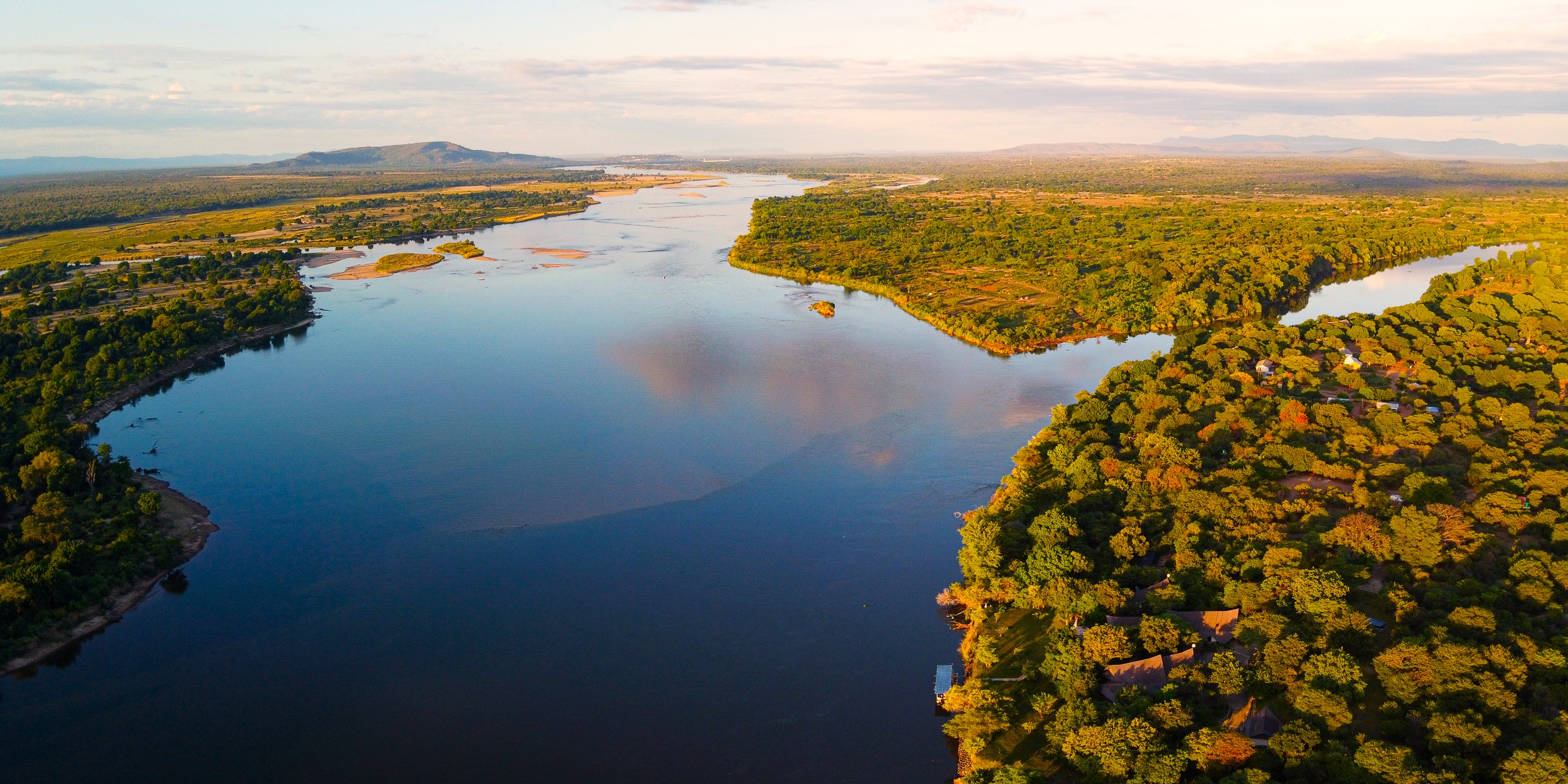
Lower Zambezi
Facing Zimbabwe's Mana Pools National Park, Lower Zambezi National Park stretches along the river for 120 kilometres. Safaris are conducted by 4x4, on foot, but especially by canoe along the water, at hippopotamus level. The riverbanks welcome swimming elephants, buffalo and big cats. Lodges are situated in few private concessions, which guarantees outings without crowding. Access from Lusaka by charter flight of 40 minutes to Royal or Jeki airstrip. Open season from April to November.
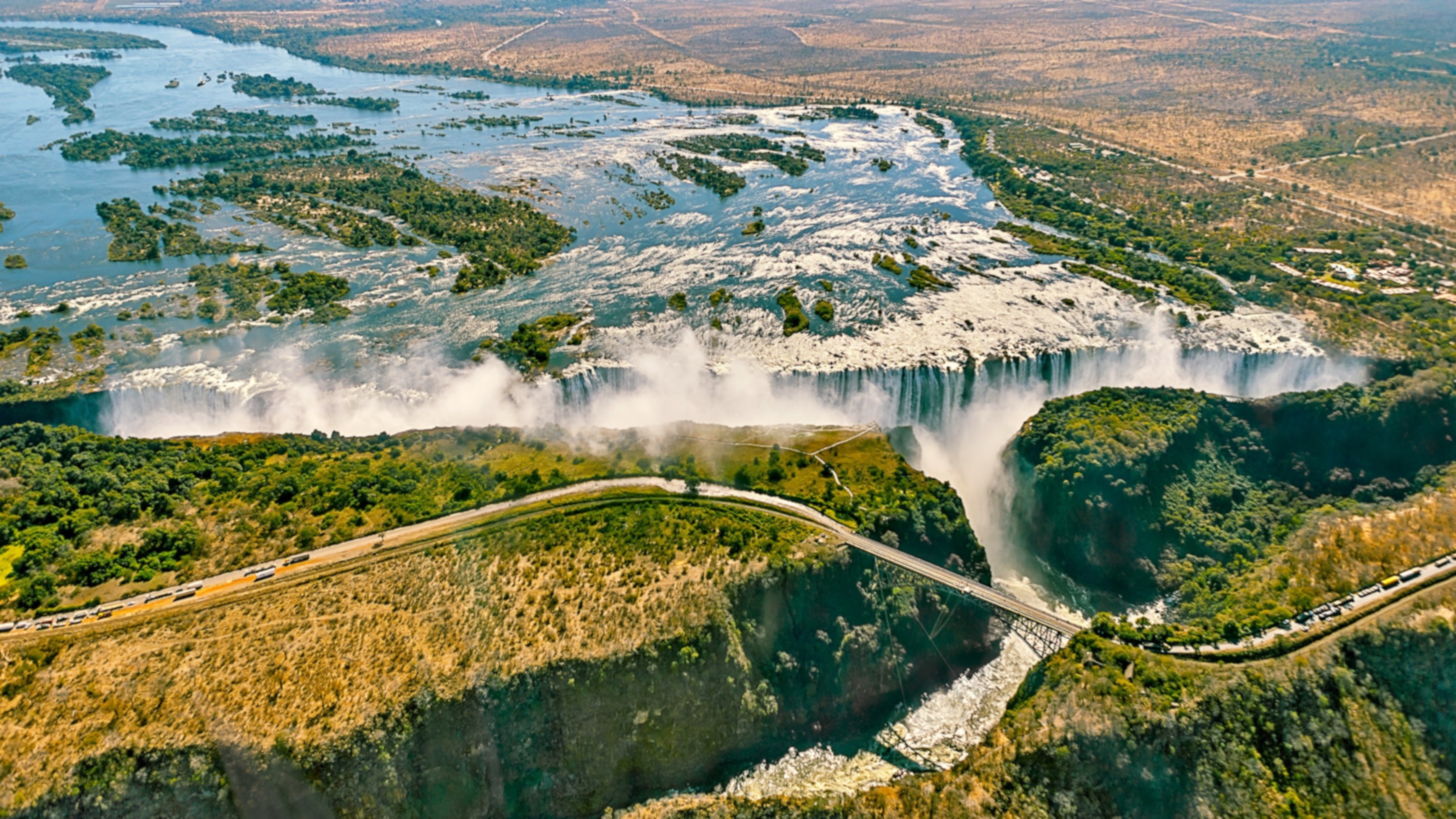
Livingstone and Victoria Falls
On Zambia's southern border, Livingstone is the base for discovering Victoria Falls, 1,700 meters wide and 108 meters high. The trail runs along the Knife-Edge Bridge with a plunging view over the First Gorge. From February to May, the flow exceeds 500 million liters per minute and water mist drenches visitors. From August to December, the water level drops and swimming in Devil's Pool becomes possible. Livingstone also offers Class V rafting, helicopter flights, and sunset cruises on the Zambezi.
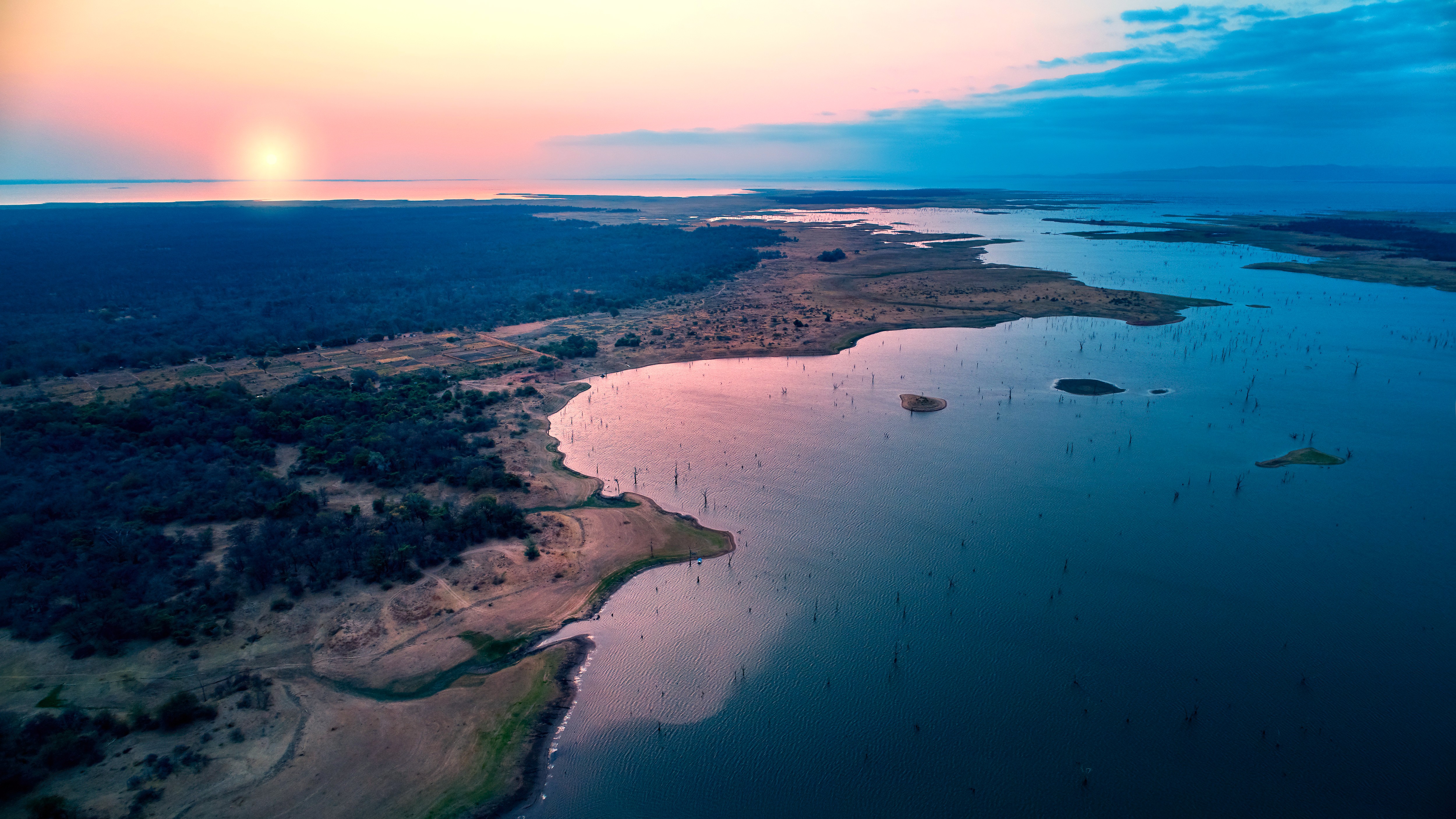
Lake Kariba and Kafue
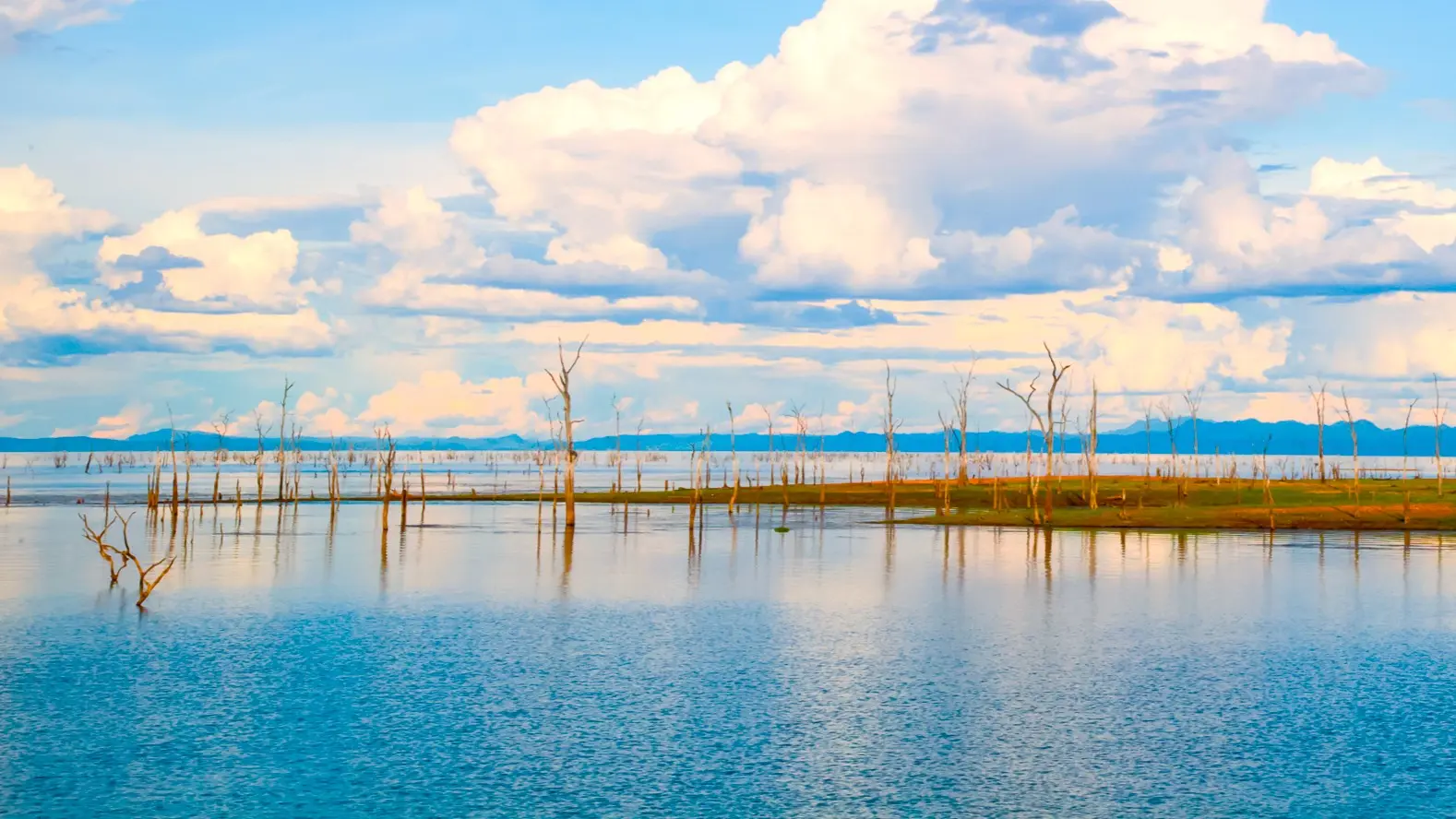
In the heart of the country, Lake Kariba is one of the world's largest artificial lakes, with dead trees still emerging from its waters. Tiger fishing, houseboat cruises, and wildlife on the banks at Sinazongwe. To the west, Kafue National Park covers 22,400 km², making it Zambia's largest park. The Busanga plains to the north welcome concentrations of red lechwes and tree-climbing lions during the dry season. A wilder region with very low visitor numbers; charter flight access is recommended.
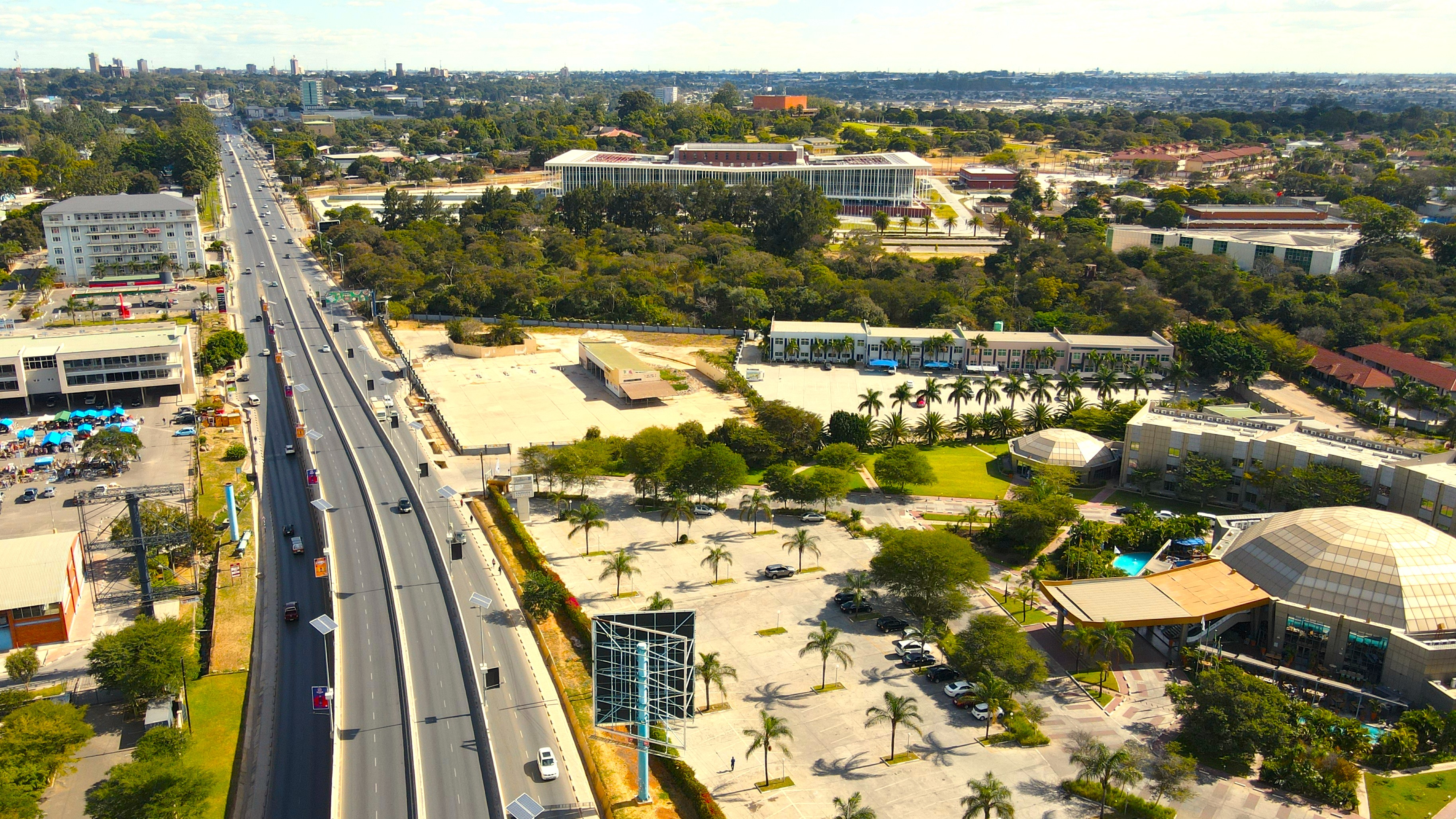
Lusaka and central plateau
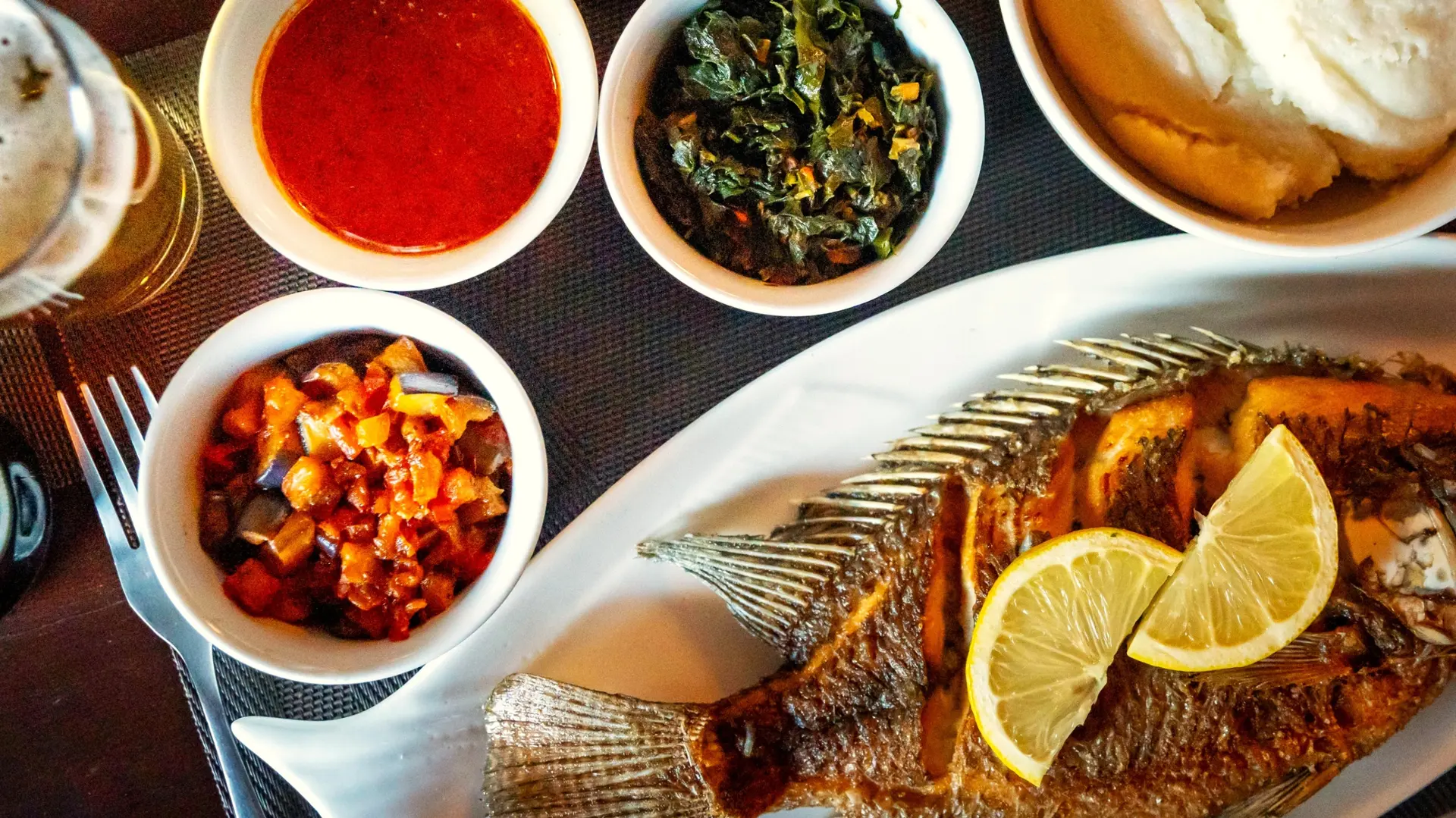
The country's capital and home to our agency, Lusaka has nearly 3 million inhabitants at 1,280 meters altitude. Temperate climate year-round, lively markets in Soweto and Kabwata, artisan workshops, restaurants where you can taste nshima served with relish and kapenta fish. The city serves as a hub to reach all parks by domestic flight. Around it, the central plateau offers a few private reserves like Lilayi for a first wildlife experience, 30 minutes from the city center.
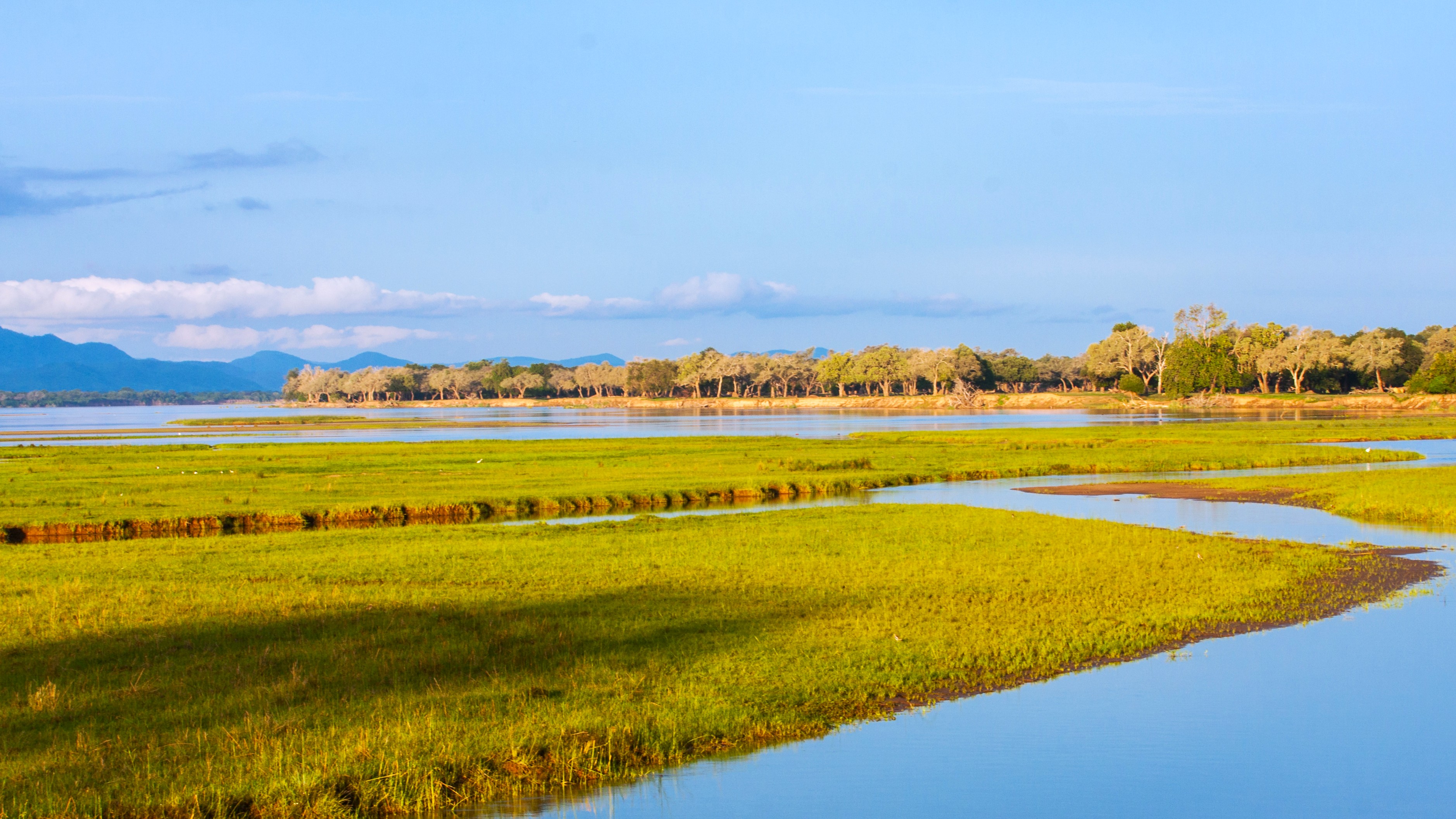
Liuwa Plain and Wild West
At the far west, near the Angolan border, Liuwa Plain National Park hosts the second largest wildebeest migration in Africa, between October and December. Endless grasslands, hyenas in large clans, migratory birds on flooded plains. Remote region, accessible only by charter flight or 4x4 expedition. Only three camps operate in the area, making for a solitary and raw experience. Combine it with Ngonye Falls on the Zambezi for travellers seeking forgotten territories.
Explore by theme
Unique experiences tailored to every traveler.
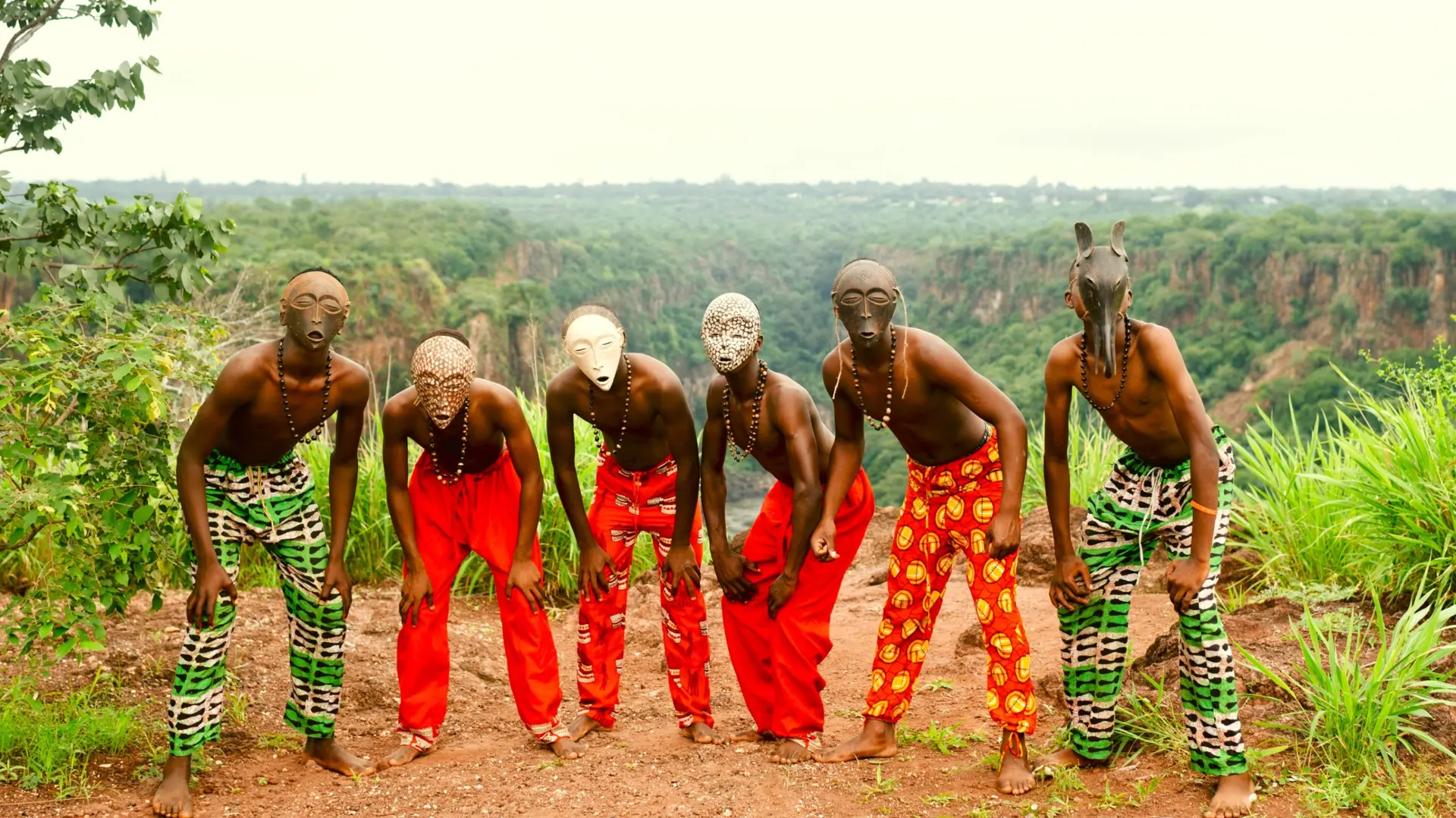
Culture & Heritage
Temples, musées, sites historiques
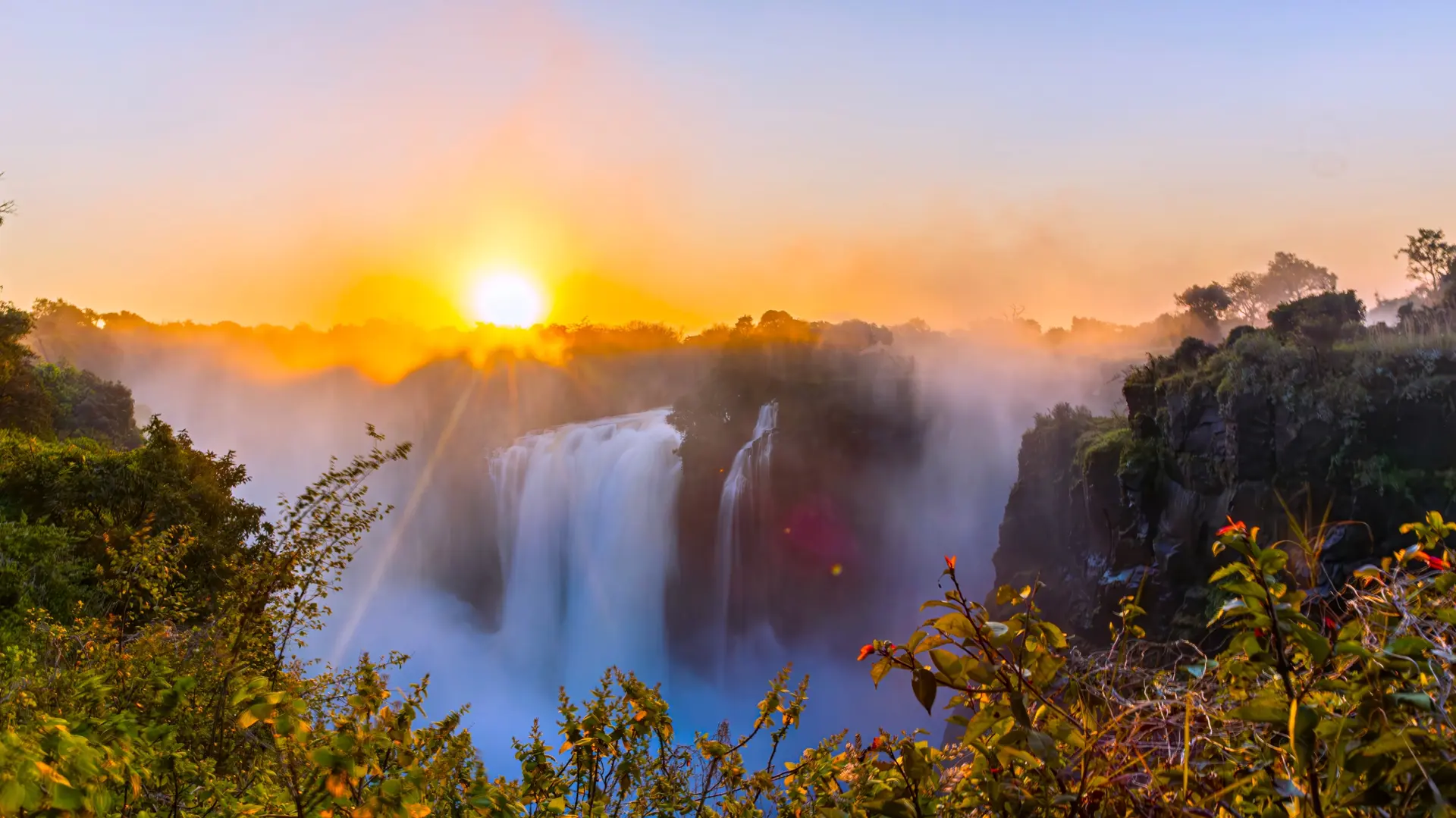
Nature & Landscapes
Parcs nationaux, montagnes, forêts
Sea & Beaches
Littoral, îles, sports nautiques
Wildlife & Biodiversity
Observation animale, sanctuaires, réserves
Activities & Adventure
Trek, kayak, escalade, sports outdoor
Gastronomy
Cuisine locale, marchés, cours de cuisine
We use cookies to improve your experience and measure our site's audience. You can choose what you accept. Learn more.