Practical information Zambia
Planning a trip to Zambia requires a few practical guidelines that our team based in Lusaka regularly updates. On the administrative side, the KAZA UniVisa can be obtained upon arrival in Lusaka or Livingstone for 50 dollars and covers Zambia and Zimbabwe for 30 days, convenient for combining Victoria Falls from both sides. Your passport must be valid for six months after your return date, with two blank pages. Health-wise, yellow fever is required only when arriving from a high-risk country, but antimalarial treatments are essential in all safari zones, particularly at South Luangwa and Lower Zambezi between November and April. Budget-wise, plan for 250 to 450 euros per day and per person excluding international flights for a stay in good quality lodges, all-inclusive meals and activities, the country remaining more expensive than its neighbours due to the remoteness of the camps. The local currency is the Zambian kwacha, with US dollars accepted everywhere in tourism. Travel is mainly by Proflight charter flights between parks, as roads are long and their condition variable. Aurélia and her team in Lusaka guide you through each of these points when preparing your itinerary, and remain available 24/7 during your stay for any logistical or medical questions.
Plan your trip by theme
Explore our practical guides organized by category to quickly find the information you need.
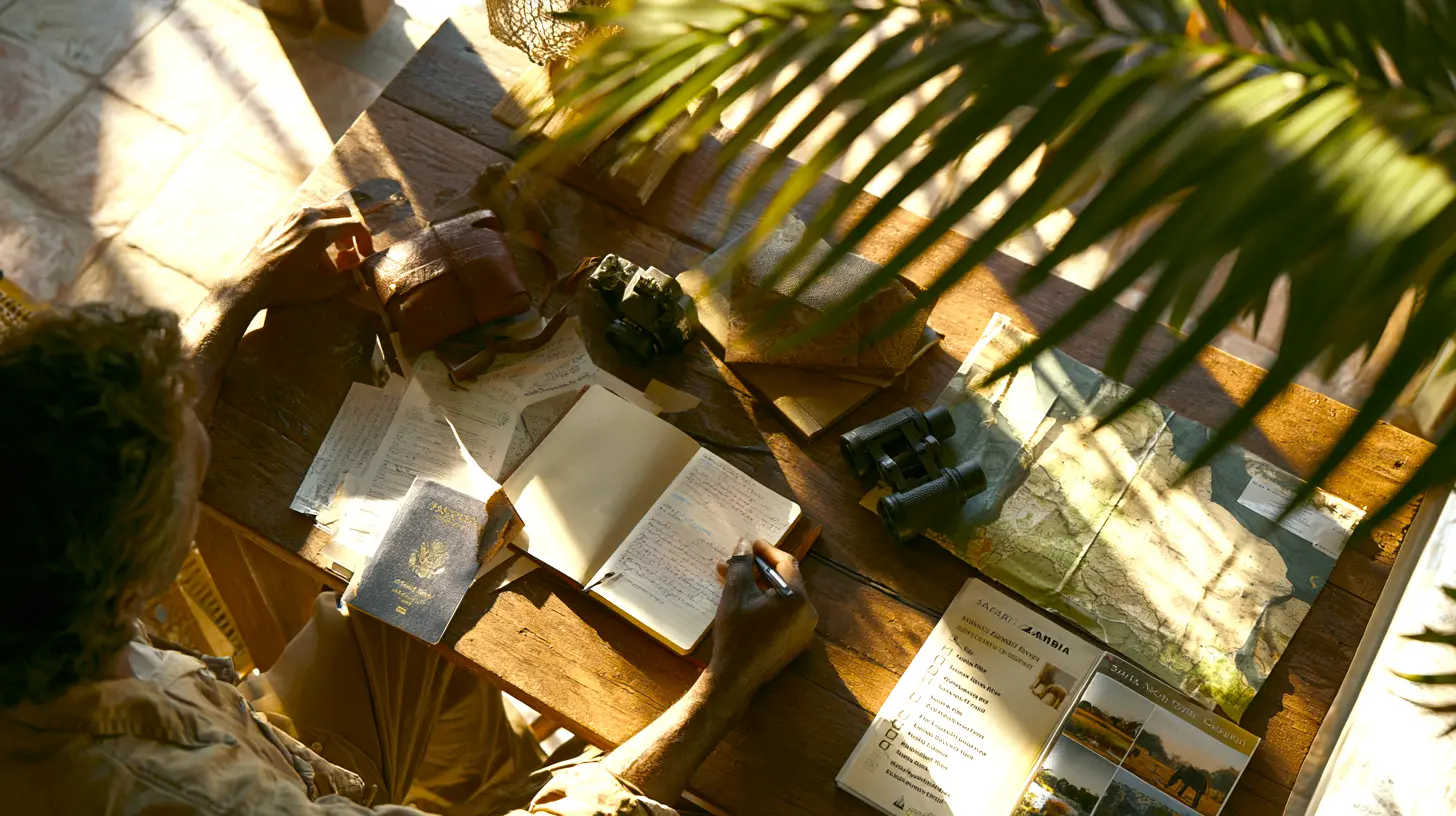
Before You Go
KAZA visa on arrival, passport valid for six months, recommended vaccinations and evacuation insurance advised in Zambia.
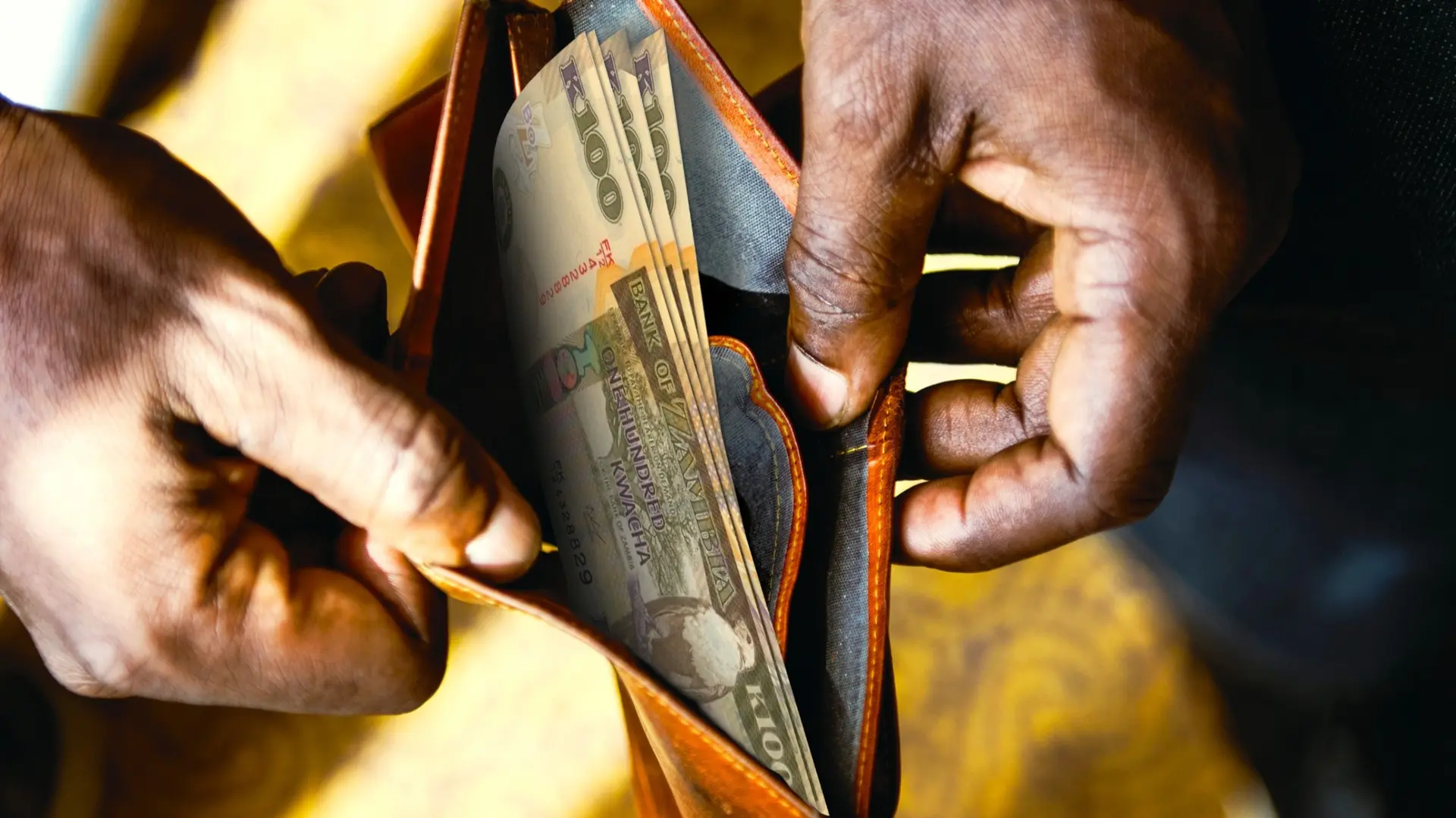
Budget
Zambian kwacha, US dollars accepted, budget 250 to 450 euros per day, bank cards in town, customary tips at the lodge.
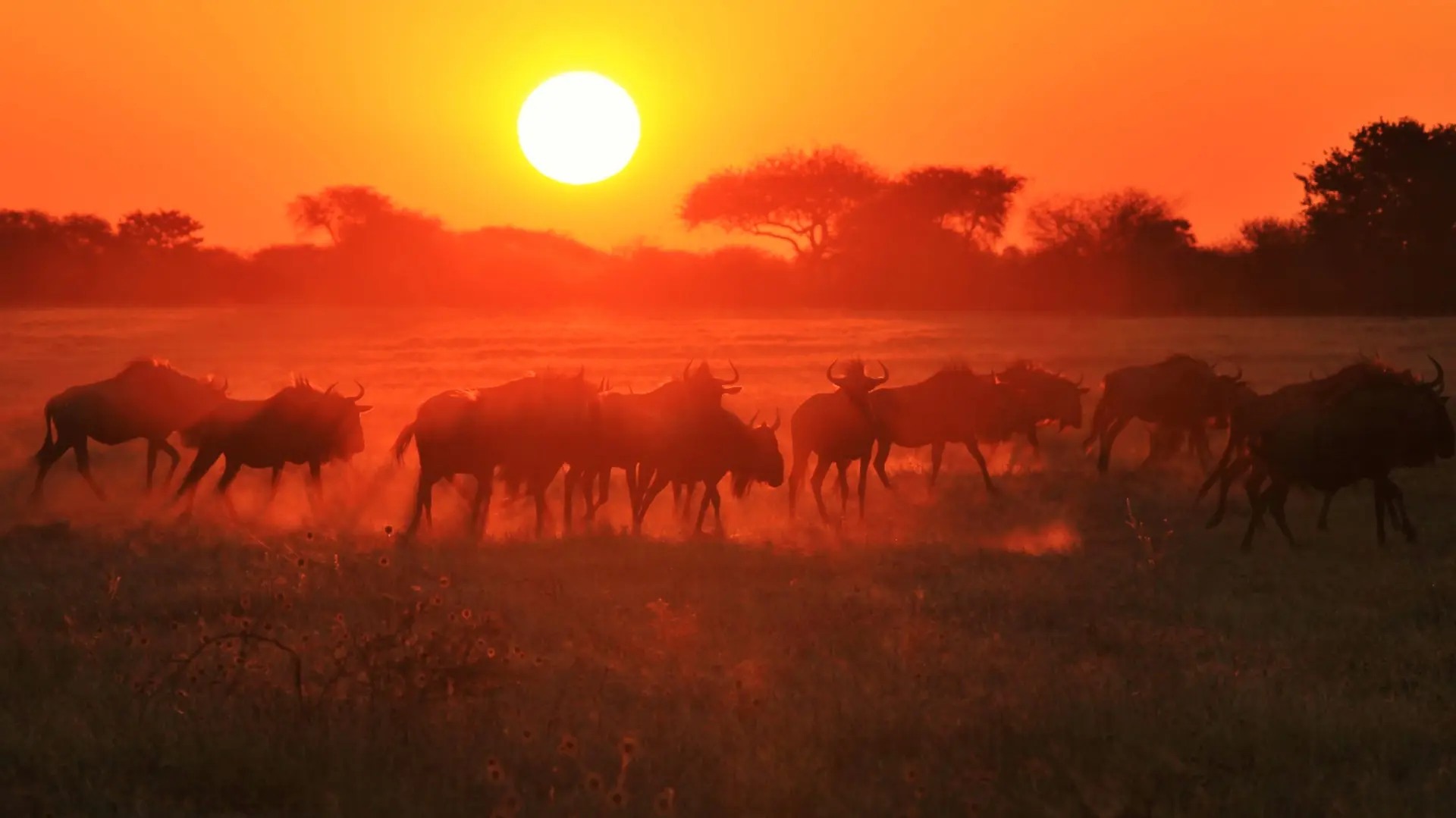
Climate Season
Dry season from May to October, rainfall from November to April, temperatures varying according to altitude and region.
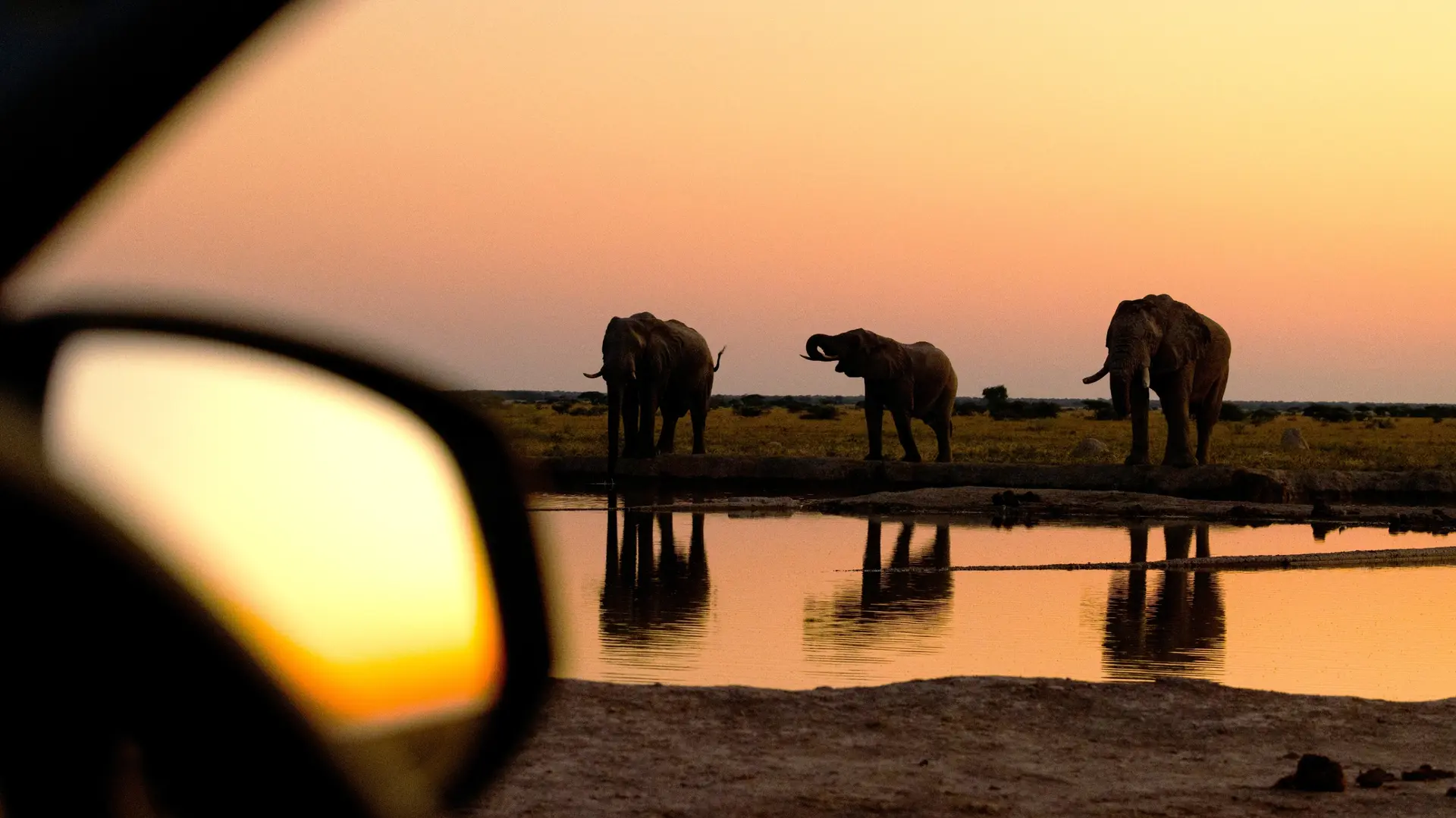
Transports
Proflight charter flights between parks, main tarred roads, 4x4 essential in reserves, long distances.
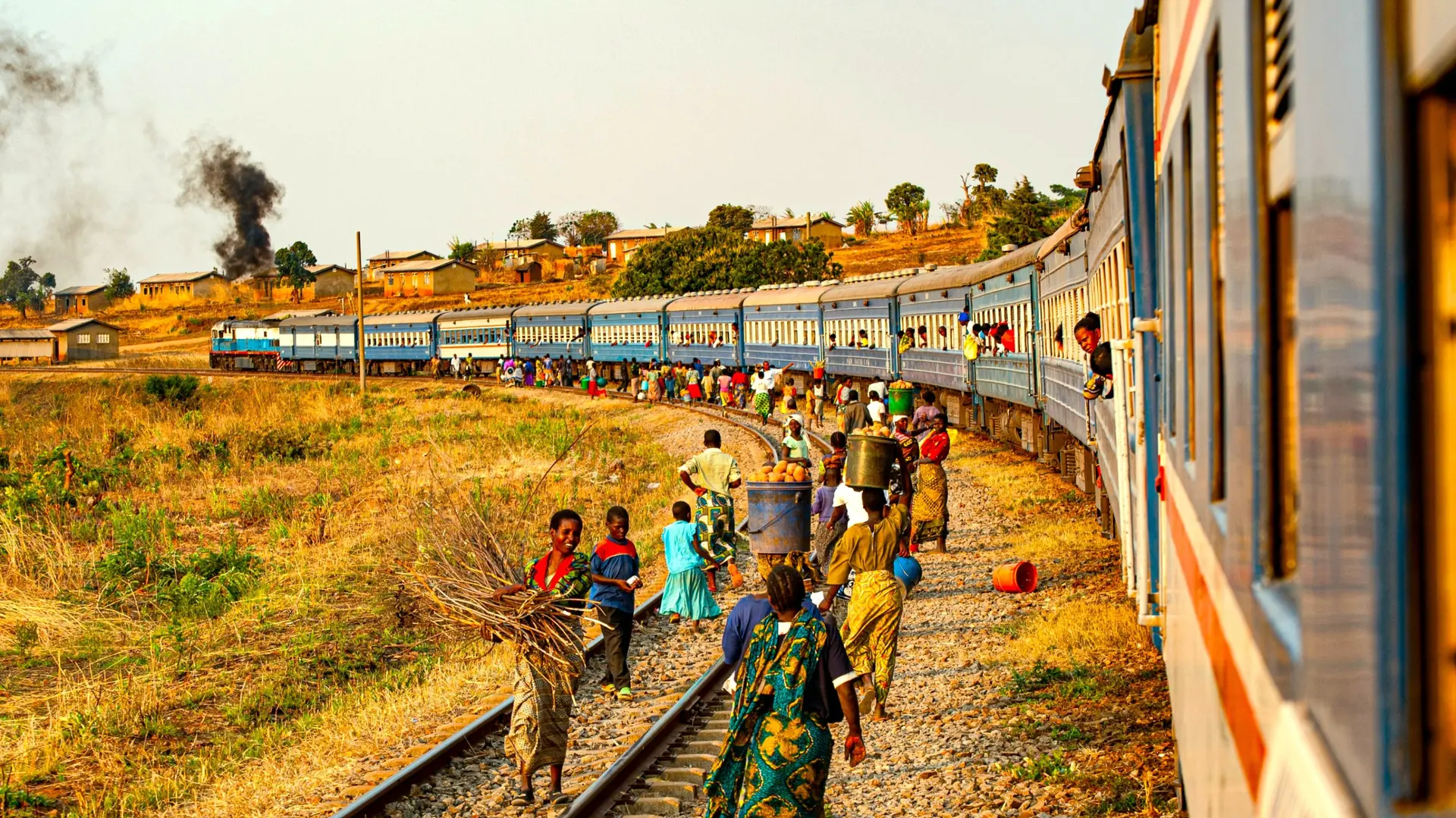
Culture
73 ethnic groups, proper attire outside safari, two-handed greetings, photos with permission, respect for elders.
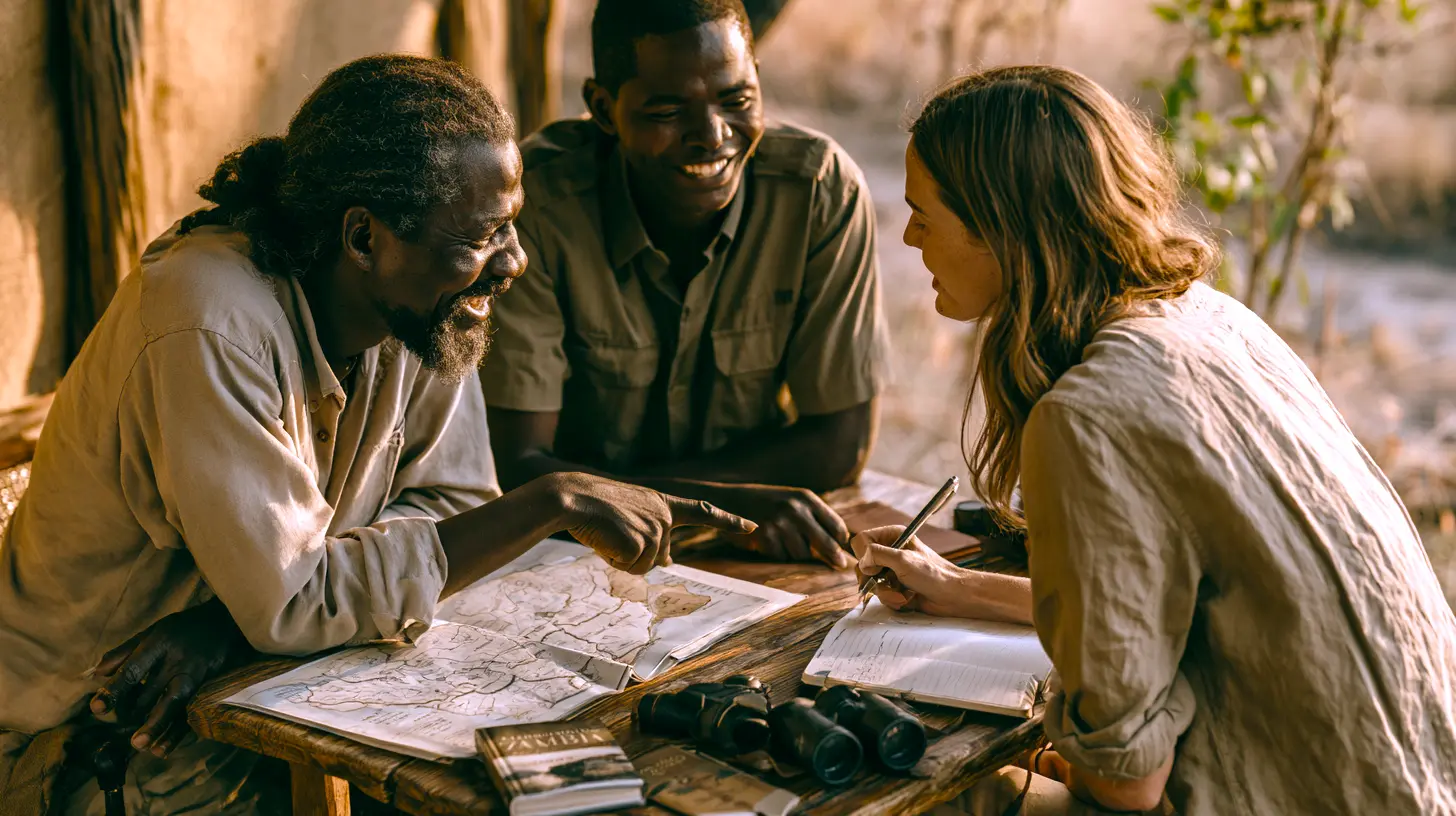
Useful Tips
Overall satisfactory safety, bottled water, type C/D/G outlets, variable connectivity in remote areas, pharmacies in Lusaka.
All practical guides
Search and filter among 0 articles
No articles match your criteria.
Frequently asked questions
The answers to the most frequently asked questions from our travellers.
Yes, a visa is required for French, Belgian, Swiss and Canadian nationals. We recommend the KAZA UniVisa, issued upon arrival in Lusaka, Livingstone or at the Kazungula border post, at the rate of 50 US dollars payable in cash. It is valid for 30 days and covers Zambia and Zimbabwe, which is convenient if you wish to see Victoria Falls from both banks. Otherwise, a single-entry Zambia visa also costs 50 dollars. Your passport must be valid for at least six months after your return date and have two consecutive blank pages. Our team in Lusaka will send you the arrival form to complete before your flight.
No vaccines are mandatory for travelers coming directly from Europe. Yellow fever is required only if you arrive from a risk country; check if you're transiting through certain African hubs. It is recommended to be up to date on: DTP, hepatitis A and B, typhoid fever, and rabies for extended bush stays. Malaria is present throughout the country, particularly in the Luangwa and Zambezi valleys from November to April. A preventive treatment such as Malarone is advised, to be confirmed with your doctor or an international vaccination center. Also plan for an effective insect repellent and long clothing for evening outings.
Zambia is not a budget destination; the isolation of safari camps and dependence on charter flights drive prices upward. Expect between €250 and €450 per day and per person excluding international flights for stays in good-quality lodges, with full board, activities and transfers included. High-end camps in South Luangwa or Lower Zambezi can reach €700 per day. For additional costs, budget €30 entry per park per day, €50 for Victoria Falls, and €10 to €20 daily tips for your guide and tracker. Aurélia will prepare a detailed quote based on your comfort level.
The dry season, from May to October, is the best time for safaris. Vegetation becomes scarce, wildlife concentrates around water points, and walking safaris are optimal. June and July are cool in the morning, with temperatures between 5 to 10 degrees at dawn and 25 during the day. September and October are hot, reaching up to 40 degrees, but offer the best wildlife viewing. The green season, from December to March, transforms landscapes into emerald, ideal for bird enthusiasts and photographers, but some camps close and tracks become impassable. For Victoria Falls, water flow is at its peak from April to May.
Distances are considerable and secondary roads are often in poor condition, making domestic flights essential between parks. Proflight airline operates daily services from Lusaka to Mfuwe for South Luangwa, Royal for Lower Zambezi, Livingstone for the falls, and Kasaba Bay for the north. Charter flights serve the most remote camps in 5 to 12-seater Cessnas. Within parks, transfers are made in open 4x4s with guide, by boat or canoe depending on the region. Self-drive car rentals are not recommended outside main routes. All transfers are organized by our agency.
Zambia is one of the most stable countries in Southern Africa, with no conflict or communal tensions. Safety levels for travellers are satisfactory, particularly in safari areas and around Livingstone, which are fully managed by operators. In Lusaka, standard urban precautions apply: avoid walking alone at night, do not display valuables, and prefer taxis recommended by your hotel. Violent crime against tourists remains rare. In the bush, follow your guide's instructions scrupulously, especially never leave a non-enclosed lodge alone. Our English-speaking team in Lusaka provides 24/7 support throughout your stay.
Ready to travel to Zambia?
Discover our tailor-made itineraries, designed by our local team. Each route adapts to your pace, your preferences and your travel season.
See our toursWe use cookies to improve your experience and measure our site's audience. You can choose what you accept. Learn more.