Lower Zambezi
120 kilometres of river between escarpment and alluvial plain, where safari is practised mainly by canoe, at water level, along the banks frequented by elephants.
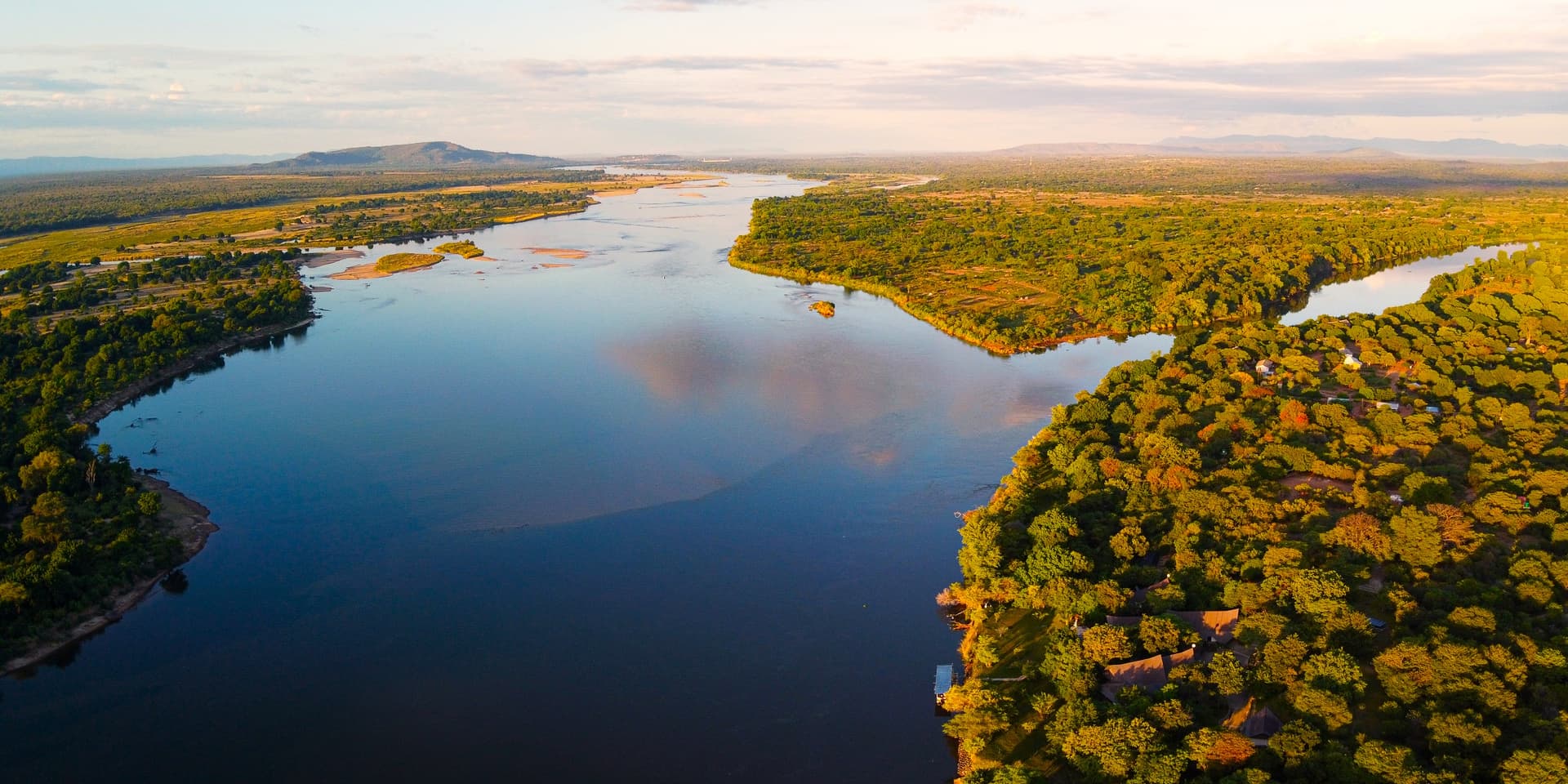
Lower Zambezi National Park occupies the northern bank of the Zambezi River for some 120 kilometres, between the Kariba Gorges to the west and Luangwa Bridge to the east. Across the river on the Zimbabwean bank lies Mana Pools, a UNESCO World Heritage site. Together they form a transnational wildlife corridor of around 9,000 km² where large wildlife moves freely between the two countries, crossing the river by swimming. The park itself covers 4,092 km², extended to the north by the Game Management Areas of Chiawa and Rufunsa, which serve as buffer zones and host the majority of lodges.
Geography dictates everything here. The Zambezi escarpment, which peaks at 1,200 metres, encloses the park to the north in a wall covered with miombo forests. At its feet stretches the alluvial plain, 2 to 5 kilometres wide, dotted with winterhorns (Faidherbia albida), giant acacias whose pods fall in the dry season and feed elephants and impalas. Closer to the river, you enter the characteristic mosaic of Lower Zambezi: Mozambique ebony forests, sycamore fig groves, dead channels, sandy islands and waterways where canoes weave between hippo pods.
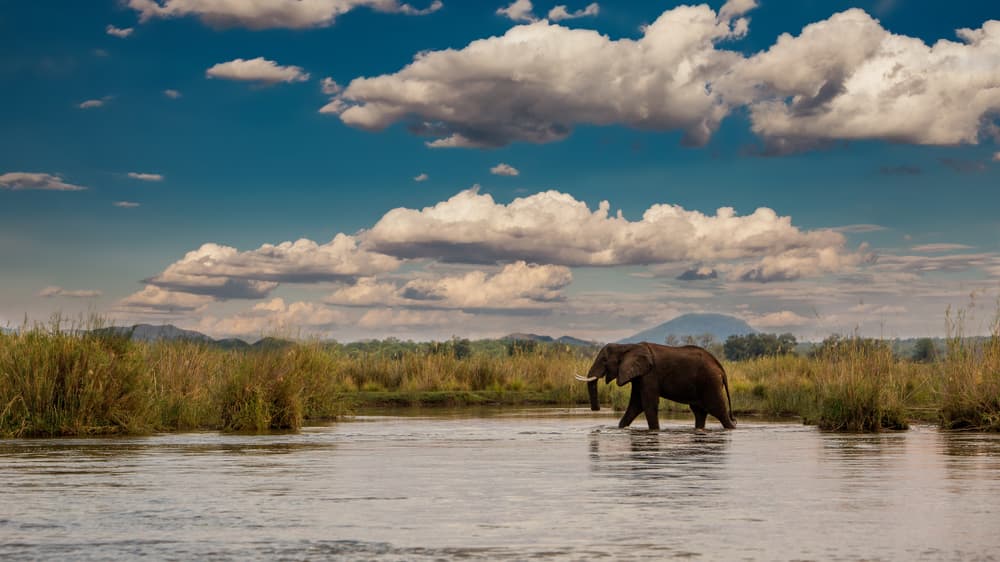
This configuration explains the uniqueness of safaris here. In South Luangwa or Kafue, you drive. At Lower Zambezi, you combine four approaches: 4x4 in the plain and woodlands, guided walks with an armed ranger, motorboat to navigate the channels, and above all, the canoe. Paddling for three or four hours at water level, in silence, along the banks where elephants come to drink, remains the park's signature. Some lodges even offer multi-day descents with camps on the islands, led by guides from the Zambezi Society.
Wildlife is dense without being the most diverse in the country. You regularly see elephants (population estimated at 13,000 across the entire corridor), buffalo in large herds, lions, leopards and, more rarely, wild dogs whose pack is monitored by the Zambian Carnivore Programme. Rhinoceros have disappeared, victims of poaching in the 1980s. The river is home to significant populations of Nile crocodiles and tigerfish, a combative species that attracts sport fishermen from September to November.
On the human side, the park itself is uninhabited, but villages of the Chiawa chiefdom, along the road from Chirundu, live a mixed economy: fishing, small-scale maize and sorghum farming on alluvial lands, and employment in lodges. Chiawa Cultural Village, near the park's western entrance, offers guided visits that fund the local school. Tourist concessions are few in number, with only six or seven operators, which keeps vehicle density very low compared to other Southern African parks.
Access is almost always by charter flight from Lusaka, 40 minutes to the airstrips of Royal, Jeki or Kulefu depending on the lodge. The road from Chirundu, the border post with Zimbabwe, is passable in the dry season but long (4 to 5 hours from Lusaka) and uninteresting in terms of scenery. The park officially closes from December to March: rainfall makes tracks impassable and most lodges dismantle their seasonal structures.
What to Discover
Canoe safari on the Zambezi. Three to six hours of paddling along inner channels, just metres from elephants coming to drink. Hippos signal their presence through their snorts; guides know the water lines to navigate around them.
Guided walk in the winterhorns. Three-hour outing at daybreak, accompanied by an armed ranger. Track reading, approaching buffalo herds on foot, bird-watching in the Faidherbia canopy.
Chiawa private concession. Game Management Area west of the park, where operators have exclusive usage rights. No vehicle crossings during entire outings, night drives permitted, outside the national park boundary.
Tigerfish fishing. From September to November, Hydrocynus vittatus moves in schools into the dead channels. Boat fishing, catch-and-release mandatory in most concessions, half-day outing from the lodge.
Bivouac on a river island. A few operators offer a night in a lightweight tent on a sandbank, after two days of canoe descent. Meals by the fire, unpolluted night sky, return to lodge the next day by boat.
When to Go
The season opens in early April, after the last rains, and closes at the end of November. April and May offer lush vegetation, mild temperatures (15°C at night, 28°C during the day) and few visitors: this is our preferred period for photographers. From June to August, it's the cool dry season, with mornings around 10°C requiring a fleece for early safaris, and daytime temperatures of 25–27°C. Wildlife gradually concentrates along the river as interior water sources dry up.
From September to November, animal concentration peaks. Temperatures climb: 35 to 40°C in the afternoon by October, sometimes 42°C, making mid-day outings challenging. Lodges adjust schedules, departures at 5.30 am, return by 11 am, resumption at 4 pm. December to March is the rainy season (200 to 250 mm in January), tracks are cut, virtually all camps close. A few permanent lodges remain open in late November for the Carmine Bee-eater migration, but the canoe experience becomes marginal.
Practical Advice
We recommend a minimum of three nights on site, ideally four, to balance different safari modes without rushing: one day canoeing, one day 4x4 and walking, one mixed day of boating-fishing or a second canoe outing on a different river section. Fewer than three nights doesn't justify the cost of a charter flight (budget 250 to 350 USD return from Lusaka depending on the airstrip). Access is almost exclusively through Royal Airstrip, Jeki or Kulefu, operated by Proflight or private charters from Kenneth Kaunda International.
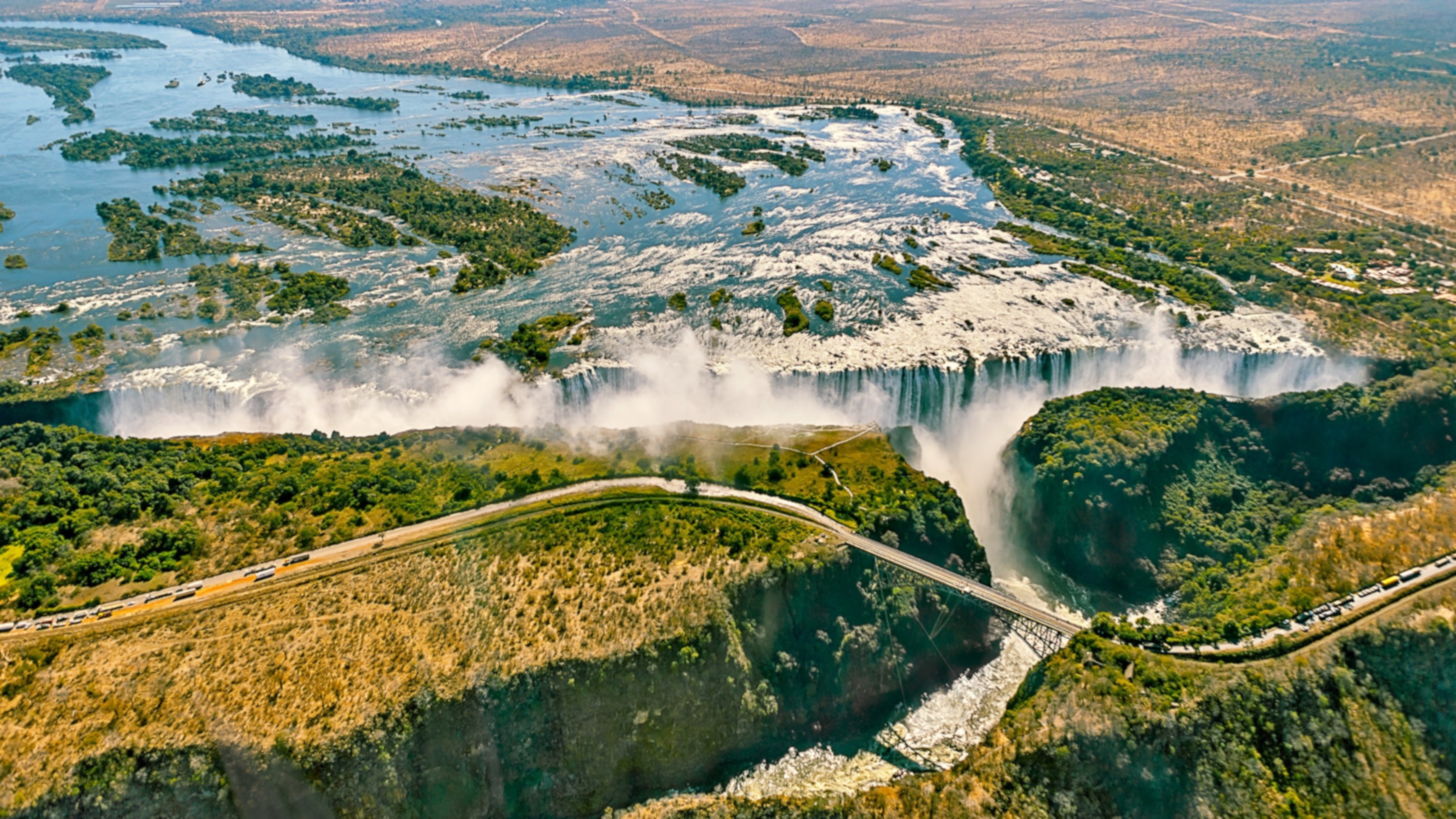
The most coherent combination is with South Luangwa, Zambia's other major eastern park: Lusaka–Mfuwe flights then Mfuwe–Royal without returning to the capital, allowing an 8 to 10-day itinerary balancing two very different ecosystems. For travellers wanting to finish with Victoria Falls, the Lower Zambezi then Livingstone sequence works well (flight via Lusaka). Lodge comfort is high: safari tents on platforms, air-conditioned suites in some properties, quality cuisine, prices to match (600 to 1,500 USD per person per night all-inclusive). The region suits contemplative travellers, active safari enthusiasts (canoeing, walking) and sport fishermen. For families with children, minimum ages are typically 12 years for canoeing and 8 years for lodges, to be confirmed case by case.