South Luangwa
A 9,050 km² valley where the walking safari has been perfected since 1950, with high leopard density, endemic Thornicroft giraffes and bush camps connected on foot.
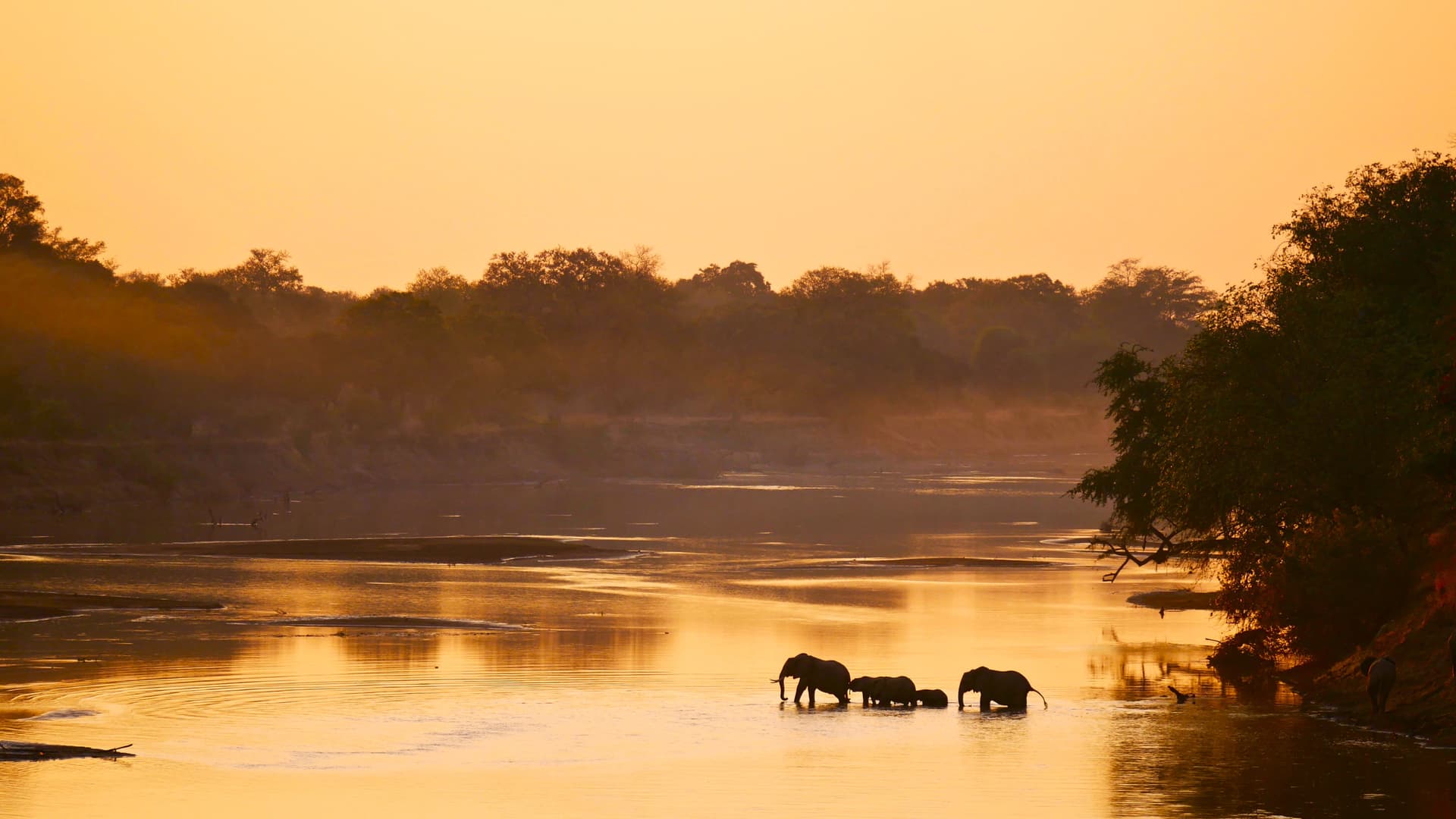
The Luangwa Valley stretches nearly 700 kilometres across eastern Zambia, between the Muchinga escarpment to the west and the Malawi border to the east. South Luangwa National Park occupies the central portion, spanning 9,050 km² and traversed by the meandering Luangwa River, which shifts its course each rainy season and leaves behind a string of lagoons: Wamilombe, Luangwa Wafwa, and Nsefu. These permanent water sources concentrate wildlife during the dry months and shape camp placement, with almost all located on the western bank within walking or vehicle distance of these oxbow lakes.
The park entered African safari history through the gateway of the walking safari. Norman Carr laid its foundations in the 1950s, transforming ranger patrols into an exploration method for visitors. Today, South Luangwa remains the gold standard. Excursions depart early morning, in groups of six maximum, guided by an armed naturalist and a ZAWA ranger. You learn to read tracks, identify kigelia sausage trees, recognise the sweet scent a leopard leaves on a trunk. It's a slower approach to the terrain, one that complements rather than replaces the 4x4 game drive.
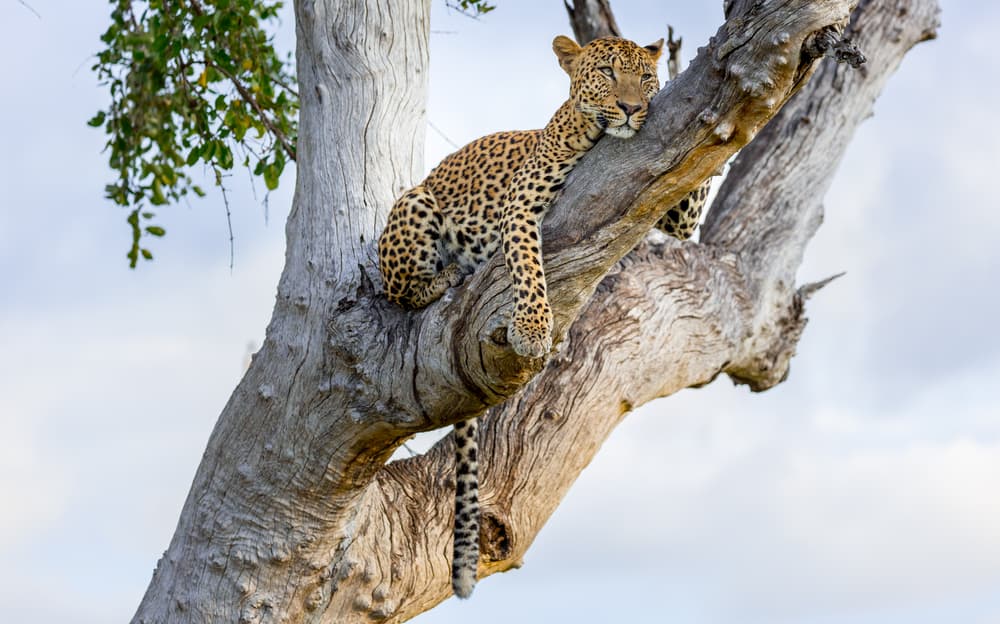
The fauna is dense and distinctly different from elsewhere in southern Africa. The Thornicroft giraffe, endemic to the valley, stands out for its darker patches and unmarked knees. Approximately 600 individuals are found here, mainly between Mfuwe and Nsefu. The leopard is the park's other signature: high density, nocturnal outings permitted in most concessions, and therefore regular sightings during active hunts. Elephants, buffalo, hundreds of hippos in the river, plus packs of wild dogs making a comeback in the Nsefu sector in recent years. Over 400 bird species have been recorded, including the carmine bee-eater, which digs its nests into sandy banks from late August to October, forming colonies of several thousand birds.
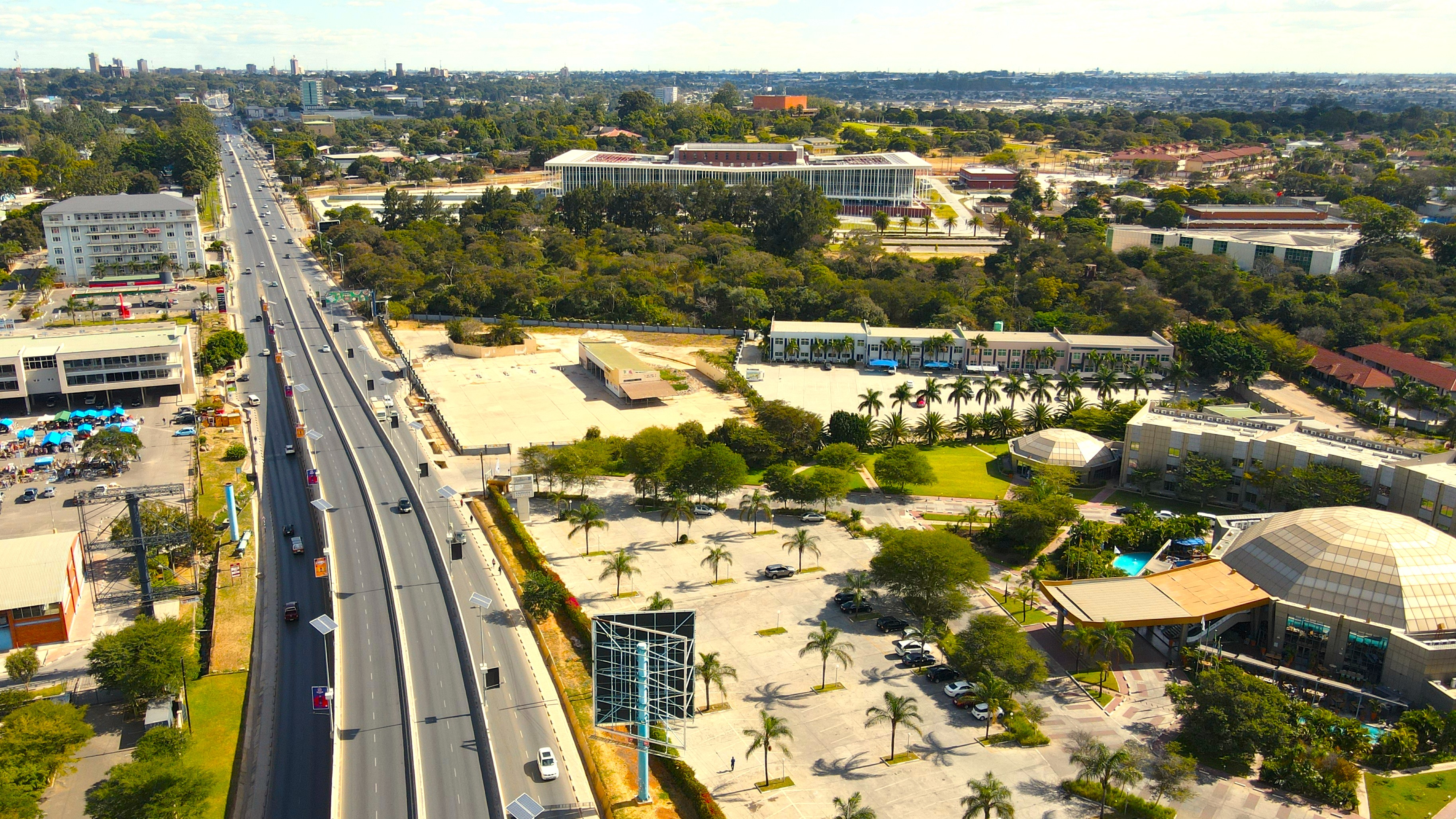
Entry is through Mfuwe, 1 hour 20 minutes by Proflight from Lusaka, or 10 to 12 hours overland via Chipata. The airport serves a village of approximately 5,000 people whose economy is largely built on safari operations and subsistence farming, principally maize and cotton. The Kunda communities surrounding the park maintain traditional structures under Chief Nsefu, and the Malaila ceremony, held each September, marks the end of the dry season with masked dances and a communal meal of nshima, the maize paste that forms the foundation of local cuisine.
The tourism infrastructure developed around a dozen historic camps and seasonal bush camps accessible only from May to October. Robin Pope, Norman Carr Safaris, Bushcamp Company and Shenton Safaris have operated concessions linked by two to four-day walking transfers since the 1980s. This camp-to-camp walking safari tradition, still uncommon elsewhere on the continent, is one reason we frequently direct clients here rather than to more accessible but heavily trafficked parks.
South Luangwa is not a mass-market destination. Visitor saturation is controlled by limited bed capacity—approximately 400 total—and elevated camp costs. In return, game drives rarely encounter one another, and it's common to have an hour-long hunt scene entirely to yourself. This discretion is central to the experience our Lusaka-based team seeks to preserve when crafting itineraries.
To discover
Camp-to-camp walking safari. Three to four days on foot between bush camps in the Mupamadzi concession or the Luwi sector, with porters and camp set up in advance. Cover 8 to 12 kilometres daily at the guide's pace, across sandbars and hippotrague plains.
Carmine bee-eater colonies. Late August to mid-October, roughly 3,000 carmine bee-eaters nest in the vertical banks of the Luangwa near Kaingo. Observation from a floating hide or the opposite bank, in late-afternoon light.
Night drives in the Nsefu concession. South Luangwa is one of the few Zambian parks permitting outings after sunset. The spotlight reveals civets, genets, porcupines and leopards in active hunt, often within ten metres of the vehicle.
Chief Nsefu's Malaila ceremony. Late September, Nsefu village hosts two days of Kunda dances, percussion and harvest offerings. Visits possible alongside a camp stay, with Kunda-English interpreters arranged by our team.
Thornicroft giraffes in the Mfuwe sector. Endemic population of 600 individuals, observable year-round around the Wamilombe and Luangwa Wafwa lagoons, often in small groups of four to six females with young.
When to go
The dry season runs from May through October and concentrates most valley activity. May to July brings cool mornings around 10–14°C at dawn, warming to 27–28°C afternoons. Vegetation remains green, migratory birds are present, and lagoons are full. August to October marks peak wildlife concentration around water sources, with temperatures climbing progressively to 38–40°C by October, locally called suicide month. It's also the best window for long walking safaris and carmine bee-eater colonies.
November to April, the rainy season transforms the valley. Rainfall reaches 200 to 250 mm in January and February, tracks become impassable, and most camps close between late November and April. A few permanent lodges, like Mfuwe Lodge or Tafika, remain open for the emerald season: lush vegetation, migratory bird watching, impala births in November, but reduced visibility and access limited to the Mfuwe zone only, often by boat safari rather than vehicle.
Practical tips
We recommend a minimum of four nights in the valley, ideally split between two camps to vary terrain: one main camp near Mfuwe for comfort and leopard density, then two or three nights in a bush camp in a remoter concession like Luwi, Kakuli or Chamilandu. Five to six nights allow you to include a camp-to-camp walking safari with porters, which we consider the most complete way to experience the region. Arrival is by Proflight from Lusaka, roughly 1 hour 20 minutes, with same-day connections possible to Lower Zambezi or Livingstone.
South Luangwa pairs well with Lower Zambezi for a pure 8 to 10-day safari circuit, with a strong contrast between walking and water-based activities. For a two-week journey, South Luangwa followed by Livingstone and Victoria Falls remains the most requested sequence. Travellers seeking isolated areas may extend to Liuwa Plain in May–June for wildebeest migration. Camp comfort is high: hot showers, double beds, table service, but electricity runs on solar systems and communications are limited. The destination suits contemplatives, serious wildlife enthusiasts and capable walkers. Children are accepted from 8 to 12 years depending on camp, and walking is permitted only from 12 years for safety reasons.